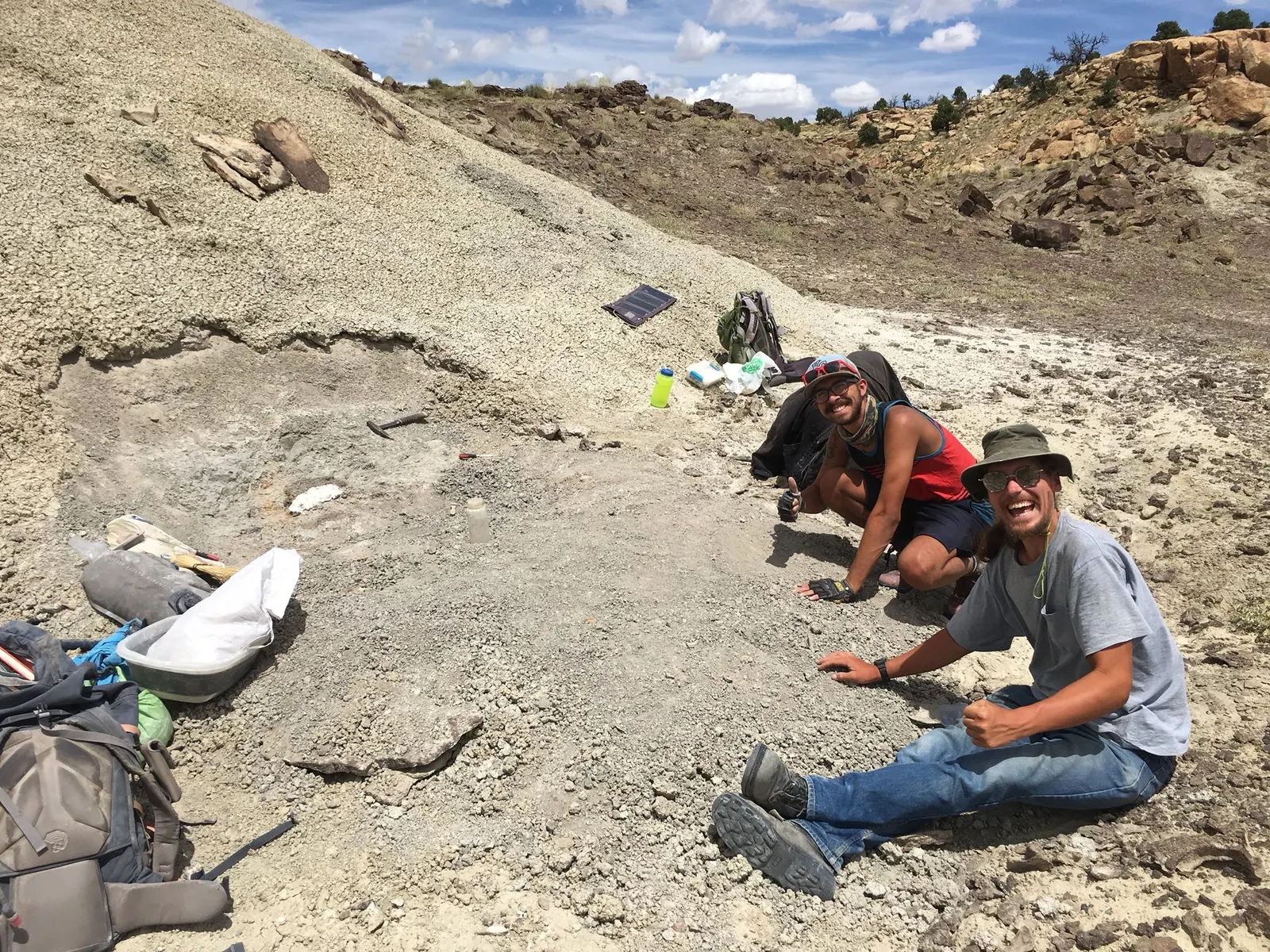
What does a paleontologist actually do?
Everyone pictures the digging, but I spent way more time in the lab and at a computer. Fieldwork is finding fossils and digging them out. Then somebody has to get the rock off them in a lab, which is prep. Research is the microscope and computer part, where you slice bones and run the numbers. On top of that there’s writing papers, looking after the fossils museums already have, and teaching.
Nobody does all of these equally. A professor might spend most of the year teaching and writing. A museum preparator might spend almost every day in the prep lab.
What happens on a dinosaur dig?
Some of the dinosaurs I’ve helped dig up are Nanotyrannus, Fona herzogae, Triceratops and Falcarius. My first dig came after about a year of volunteering in the fossil prep lab at the University of Kansas.
Most of the time we’re looking for fossils that are eroding out of the sides of hills. When you find bone, you follow it into the hill, and I’ve dug some pretty big holes doing that.
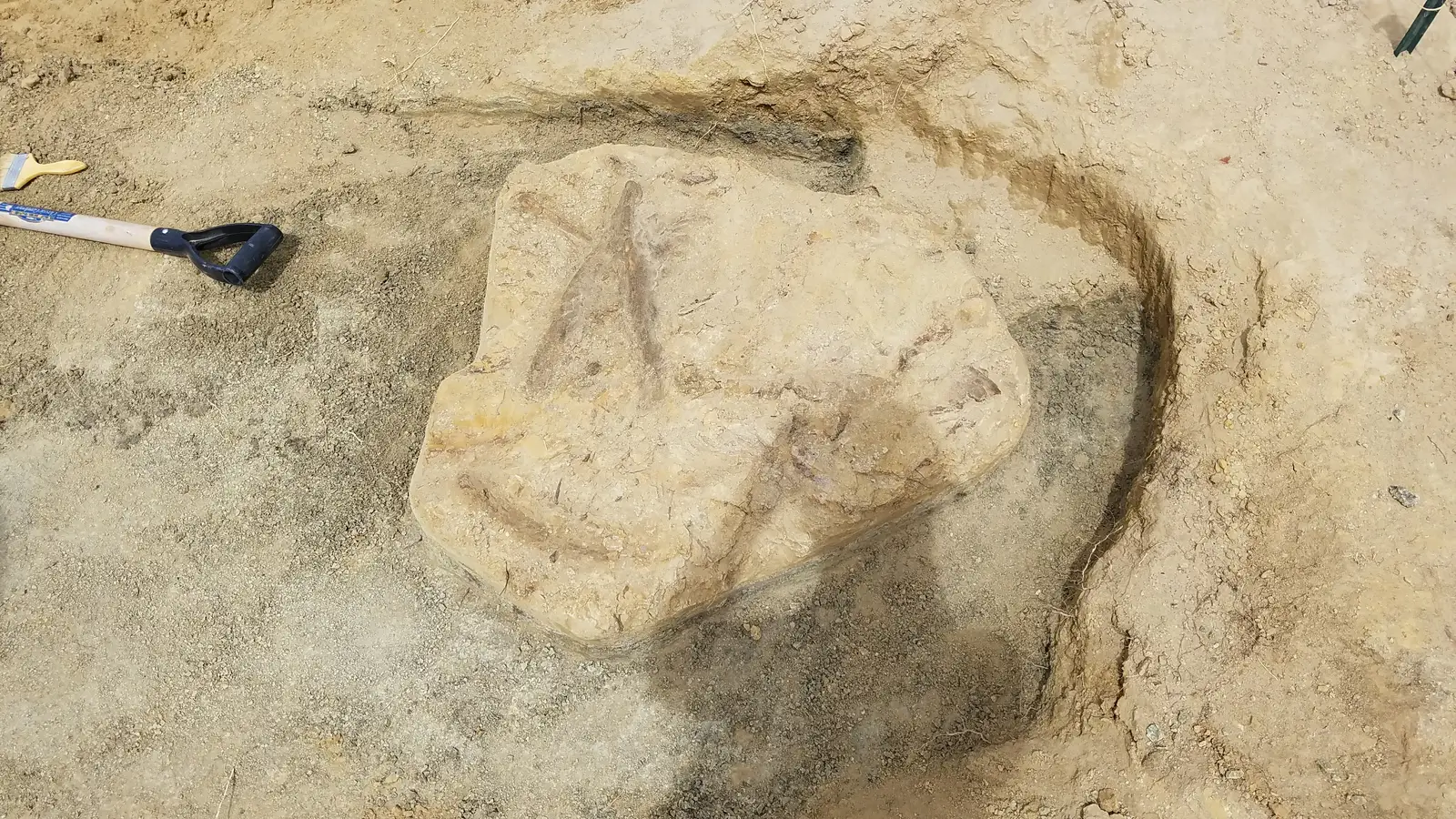
Then you have to get it out without breaking it. We trench around the bone, coat the fossil and the rock around it in what is basically super glue, wrap it in several layers of toilet paper, and put a plaster layer over that. That’s called a jacket.
Those blocks get heavy. When we dug up Fona in Utah, it took us three weeks, and we had to leave a lot of the surrounding rock attached. The block weighed several hundred pounds, and it took nine of us to carry it back to camp.
A few lucky times we even found dinosaur eggs. That’s still one of the coolest things I’ve ever done!
What is fieldwork really like?
I’ve spent anywhere from two to eight weeks in the field at a time. After eight weeks my joints were pretty mad at me lol. Most days you’re digging holes and moving big rocks in the hot sun, and some of our camps were miles from running water, AC and electricity.
It’s some of the hardest work I’ve done, and it’s still the best part of the job for me.
Fieldwork is optional, though. Plenty of paleontologists rarely go out in the field at all.
Can paleontologists dig wherever they want?
No. In the US, you need a research permit to dig up or collect vertebrate fossils like dinosaurs on federal land. Digging without one is illegal. The Bureau of Land Management is one of the agencies that gives them out.
What happens to a fossil after the dig?
This is where I started. The jacket goes to a prep lab, and preparators cut it open and take the rock off the bone a little at a time. Depending on the fossil, that can take months.
At KU I walked into the prep lab, really nervous, and asked if I could just help out. My mentor started me putting things together, and that turned into cleaning and prepping them. I did that for about a year for free, and then it turned into a paid job at about $10 an hour. That lab time is what got me ready for grad school.
What does paleontology research look like?
For my master’s at NC State, in Dr. Lindsay Zanno’s lab, I studied how fast tyrannosaurs grew. Mostly Tarbosaurus, a close T. rex relative from Mongolia.
The method is called bone histology. You cut a thin slice of bone with a precision saw, grind it down until light shines through, and count the growth lines, kind of like tree rings. I spent a lot of hours hunched over a microscope looking at slices of leg bones. We even gave the animals nicknames. One was Chicken Nugget, one was Sick Rick, and the rest got names like Jitters, Patches, Lil Jobby and Smooth Operator. I wrote up what I found here.
The part nobody warned me about was how much of it would be code and math. My thesis needed logistic curve fitting. I flat out did not understand it when I started, and I figured it out by coding it in R and watching what changed. I also read hundreds of papers and books for that thesis. Research is like powerlifting, but for your brain.
What do paleontologists study?
Fossils, and way more than dinosaurs. A lot of paleontologists specialize in one group:
- Vertebrate paleontology. Animals with backbones: dinosaurs, fish, mammals, reptiles. This is what I work on.
- Invertebrate paleontology. Shells, trilobites, corals, ammonites. You’ll find these a lot more often than dinosaurs.
- Micropaleontology. Fossils you need a microscope to see.
- Paleobotany. Fossil plants, pollen and wood.
- Trace fossils. Footprints, burrows, bite marks and even fossil poop.
You also pick a question to ask about your fossils. Mine was how fast tyrannosaurs grew. Other people study how animals moved, what they ate, how they’re related, or what the climate was like when they lived.
Do paleontologists write and teach?
If you find something cool, nobody knows about it until you publish it, so you write a lot. Professors also teach classes, and museum paleontologists give talks and tours.
Teaching is a big one for me. I’ve taught third graders, museum members and college students, and I’ve been doing it for close to ten years now.
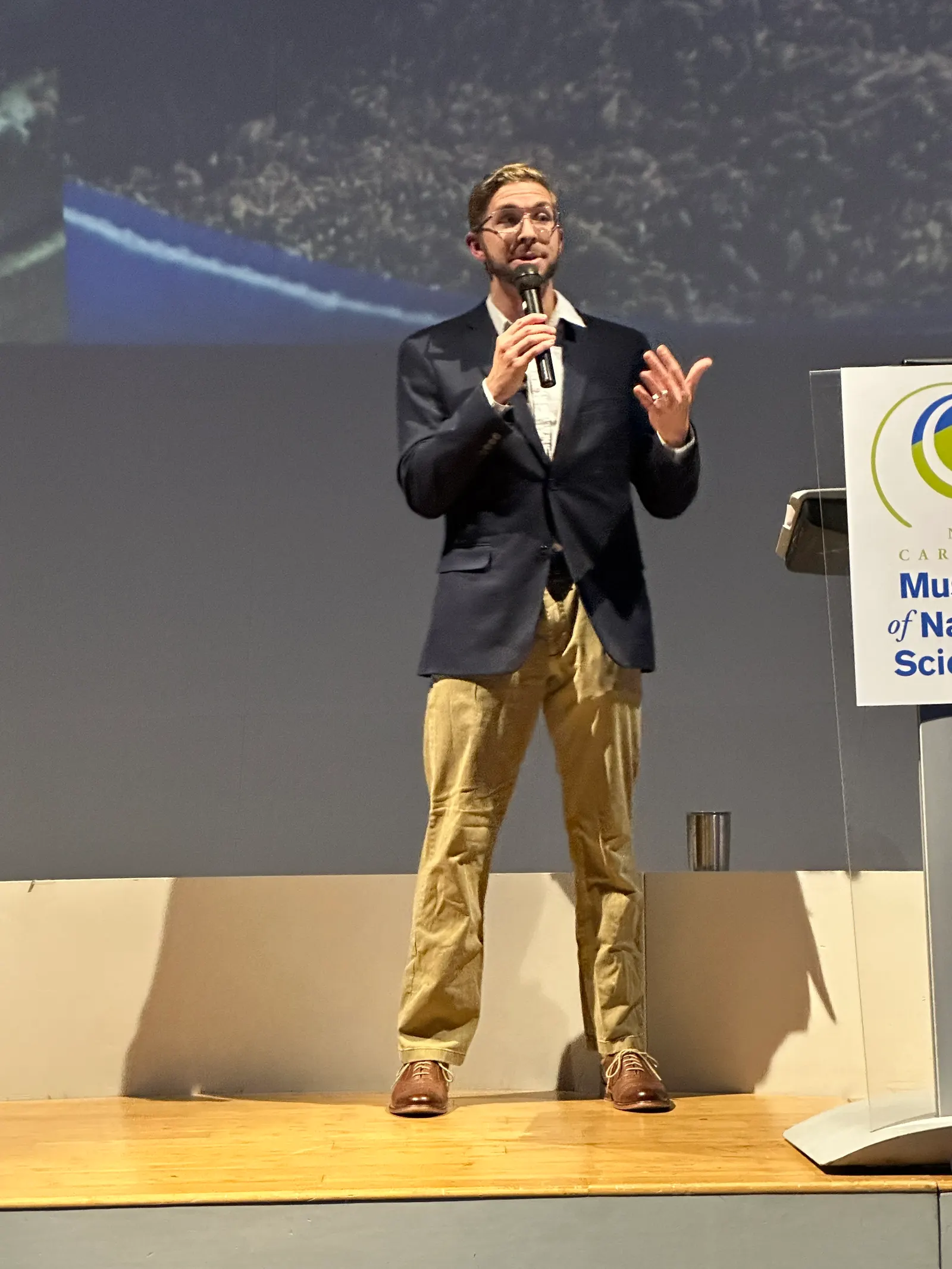
Sometimes I show up at a school and the kids look so bored. That always changes once I tell them who I am and start pulling out fossils. The weird and silly questions are always my favorite.
Where do paleontologists work?
- Universities. You teach, do research and run your own lab. Only about 7 to 9 permanent paleontology jobs get advertised each year, and I didn’t find that out until grad school.
- Museums. Curators run the collections and the research. Preparators and collections staff clean, fix and take care of the fossils.
- Government agencies. Federal and state agencies look after the fossils on public land. They’re also the ones who hand out dig permits.
- Mitigation and consulting. On a lot of construction projects, someone has to check for fossils before the ground gets torn up.
Paleontologists also get lumped in with geoscientists. The U.S. Bureau of Labor Statistics counted about 25,400 geoscience jobs in the US in 2025, and the biggest chunk (27%) was in engineering services, not museums or universities. My first job out of grad school was actually in environmental consulting.
For pay by job, see how much paleontologists make.
What skills does a paleontologist need?
You have to know the bones and the rocks they came out of, so anatomy and geology come first. After that it’s statistics and coding (R especially) and writing, because if you can’t write, you don’t get published. I’d add GIS, which is mapping software. I never took it, and I kept seeing it on geology job listings. I really wish I had.
I walk through which classes build each of these in how to become a paleontologist.
Is being a paleontologist worth it?
For me, yes. Everything in life is hard, so you might as well choose your hard.
I love being a paleontologist, and I’ll be talking about dinosaurs for the rest of my life. If you want to do it too, start by getting into a lab.
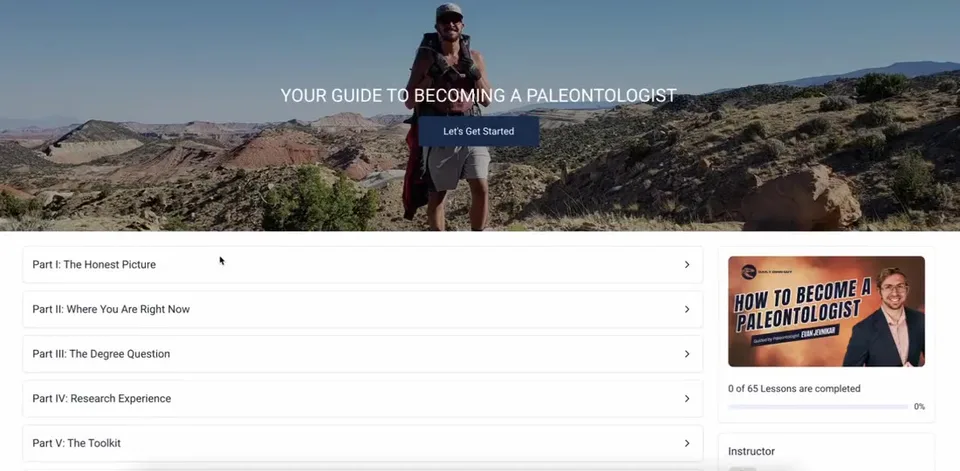
The whole plan, in order
My guide, How to Become a Paleontologist, takes you from picking a major all the way to applying to grad school. I wrote it for students and their parents. $149, or 3 payments of $50, with a full refund within 7 days.
See what’s in the guide →